Orthopedic Physiotherapy

The Role of Physiotherapy in Orthopedic Conditions

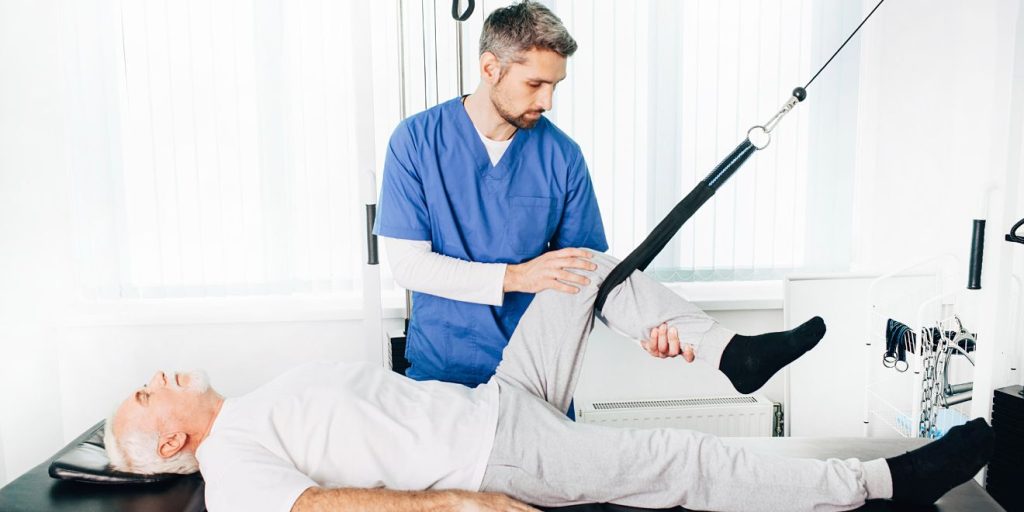
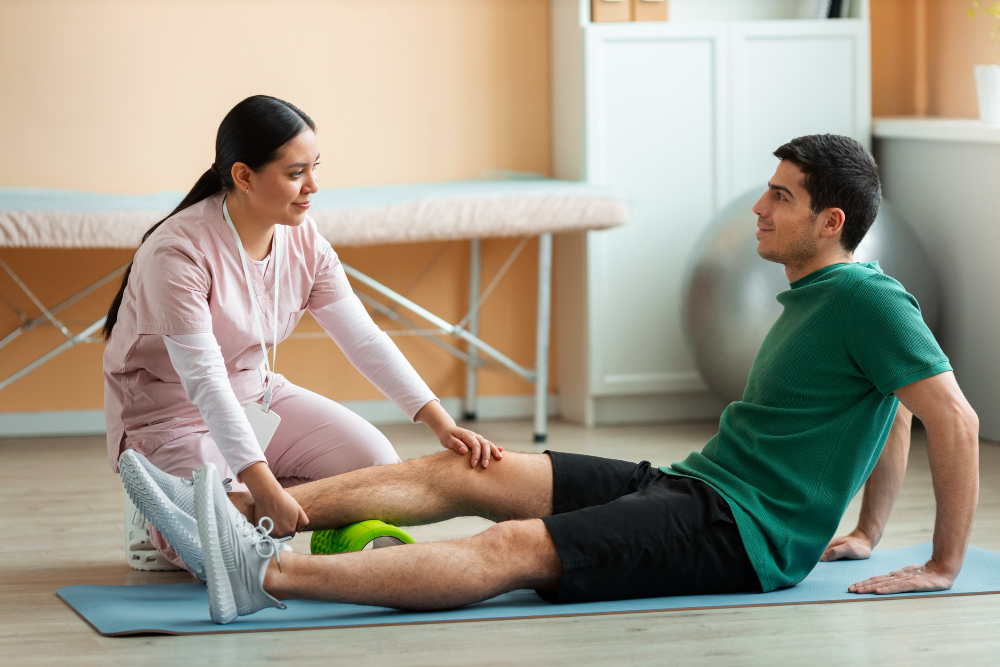
Physiotherapy is a key component in the management of orthopedic conditions involving the musculoskeletal system. Treatment focuses on pain reduction, mobility enhancement, and functional restoration to support injury recovery, chronic condition management, and long-term well-being.
Hip Injuries

Treating conditions like hip bursitis, hip labral tears, and osteoarthritis of the hip.
Knee Injuries

Managing injuries such as ACL tears, meniscus tears, and patellofemoral pain syndrome.
Shoulder Injuries

Treating conditions like rotator cuff tears, frozen shoulder, and impingement syndrome.
Back Pain

Addressing acute and chronic back pain through a combination of manual therapy, exercises, and postural correction.
Fractures

Assisting patients in recovering from fractures through range of motion exercises, strengthening, and gait training.
Joint Injuries

Treating conditions like sprains, strains, and dislocations by reducing pain, improving stability, and restoring function.
Arthritis

Managing conditions such as osteoarthritis and rheumatoid arthritis through pain management, exercise, and education.

Common interventions used in orthopedic physiotherapy

  • Exercises: Targeted exercises to improve strength, flexibility, balance, and coordination.
  • Manual Therapy: Techniques like massage, mobilization, and manipulation to address musculoskeletal impairments.
  • Hydrotherapy: Utilizing water-based exercises to reduce pain, improve mobility, and enhance cardiovascular fitness.
  • Electrical Stimulation: Using electrical currents to stimulate muscles and improve function.
  • Ultrasound Therapy: Using sound waves to reduce inflammation and promote healing.

Key areas of focus in orthopedic physiotherapy

  • Pain Management: Using modalities like heat, ice, and electrical stimulation to reduce pain and inflammation.
  • Range of Motion: Improving joint mobility through stretching, mobilization, and manual therapy techniques.
  • Functional Training: Restoring daily living activities, such as walking, climbing stairs, and lifting.
  • Functional Training: Restoring daily living activities, such as walking, climbing stairs, and lifting.
  • Postural Correction: Addressing poor posture and its associated pain.
  • Assistive Devices: Prescribing and training patients in the use of assistive devices, such as braces or splints.